Publications since 1998
Since 1998, IISNC has published groundbreaking research and inspiring works that celebrate nomadic heritage, foster cultural understanding, and illuminate the wisdom of mobility across generations. “Nomadic Studies“, “Intercultural Dialogue”, “Nomadic Civilization Studies” annual academic journals, and “Nomadic” newspaper.
1998-202
Our publications in numbers
+200
BOOKS
+1200
PAPERS
+100
JOURNALS
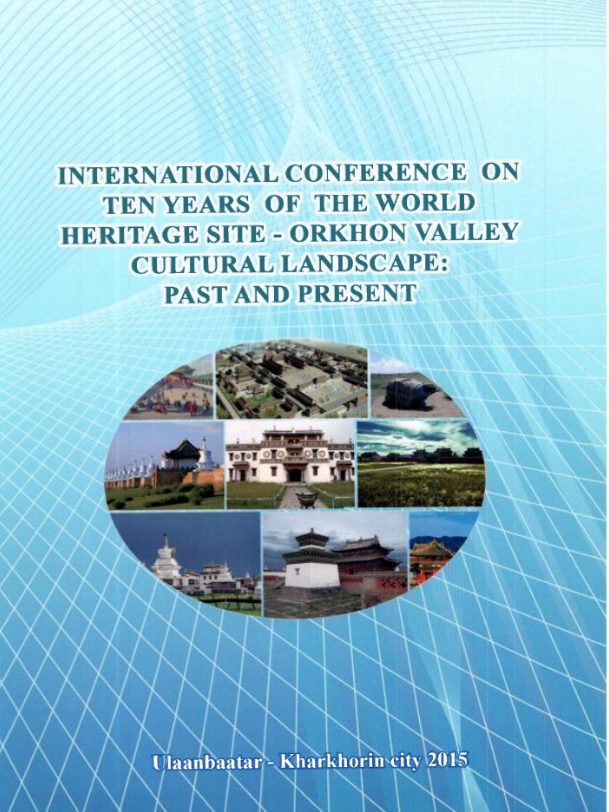
INTERNATIONAL CONFERENCE ON
TEN YEARS OF THE WORLD HERITAGE
SITE -ORKHON VALLEY CULTURAL LANDSCAPE: PAST AND PRESENT
© 2026 UNESCO-IISNC
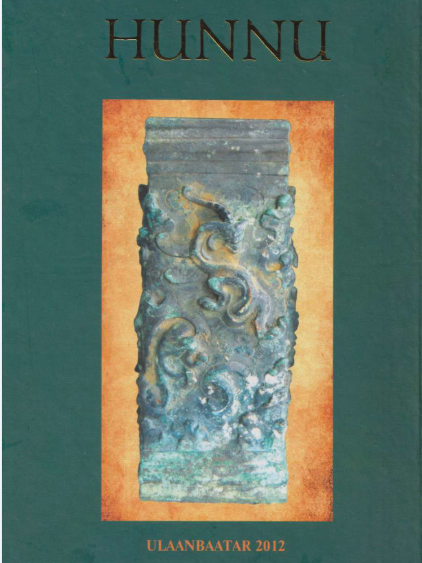
Hunnu (Xiongnu)
© 2026 UNESCO-IISNC
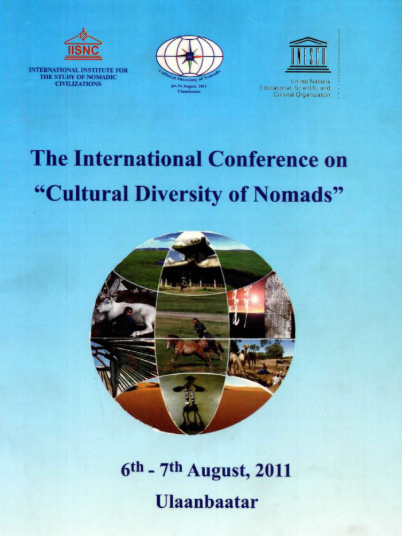
The International Conference on Cultural Diversity of Nomads
© 2026 UNESCO-IISNC
Nomadic Civilisations in Cross-cultural Dialogue
© 2026 UNESCO-IISNC
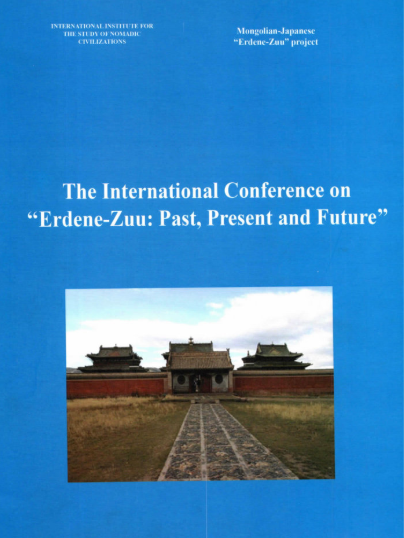
Erdene-Zuu: Past, Present and Future (international conference proceedings)
© 2026 UNESCO-IISNC
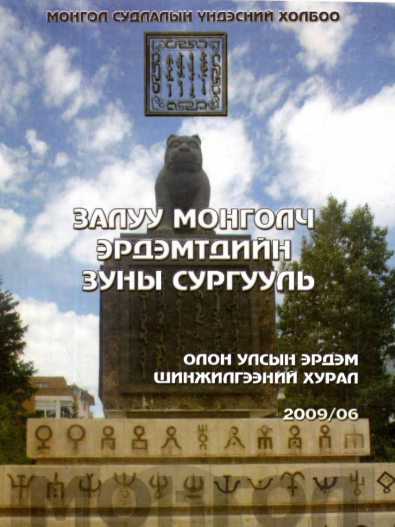
Summer School of Young Mongolists 2009
© 2026 UNESCO-IISNC
Summer School of Young Mongolists 2008
© 2026 UNESCO-IISNC
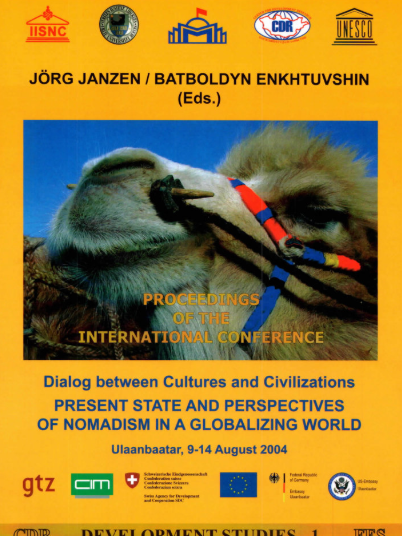
Dialogue between Cultures and Civilizations
© 2026 UNESCO-IISNC
Statehood of Nomads; History and Tradition
© 2026 UNESCO-IISNC
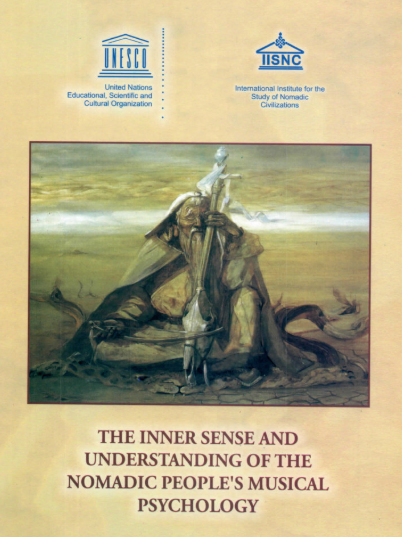
Nomadic peoples musical psychology
© 2026 UNESCO-IISNC
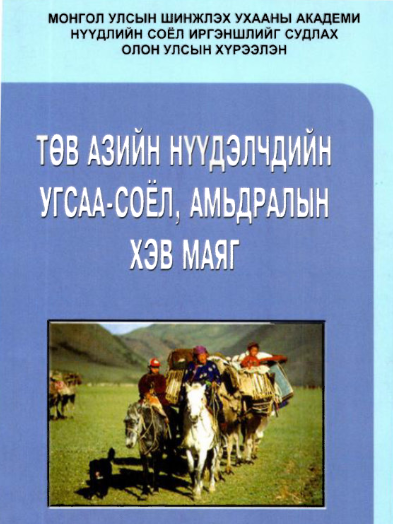
Ethnogenesis, Culture and Lifestyle of Nomadic Peoples in Central Asia
© 2026 UNESCO-IISNC
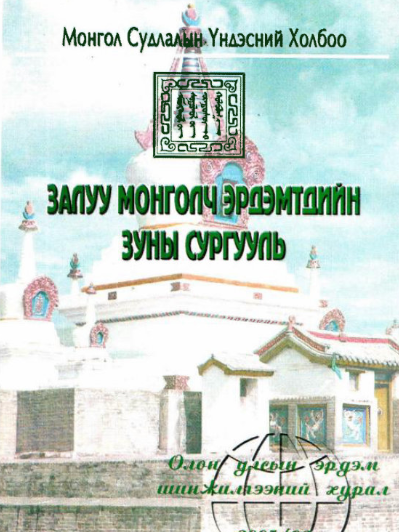
Summer School of Young Mongolists
© 2026 UNESCO-IISNC
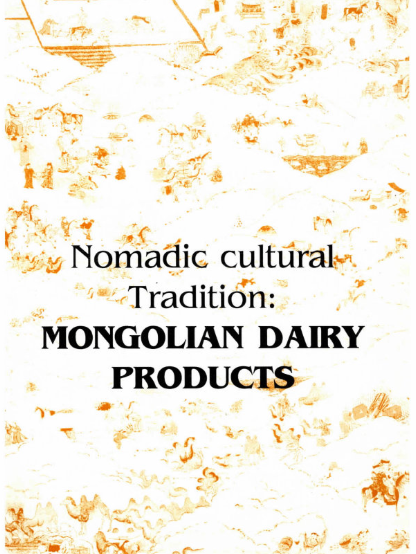
Nomadic Cultural Tradition: Mongolian dairy products
© 2026 UNESCO-IISNC
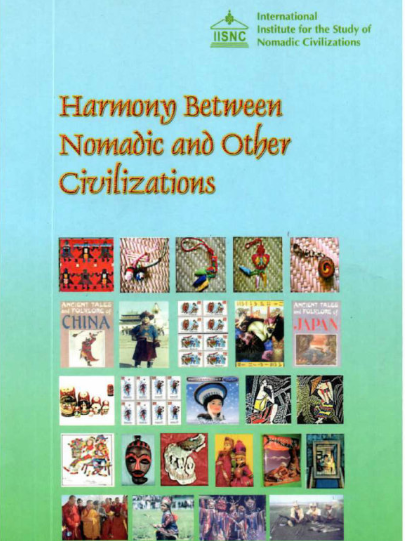
Harmony Between Nomadic and Other Civilizations
© 2026 UNESCO-IISNC
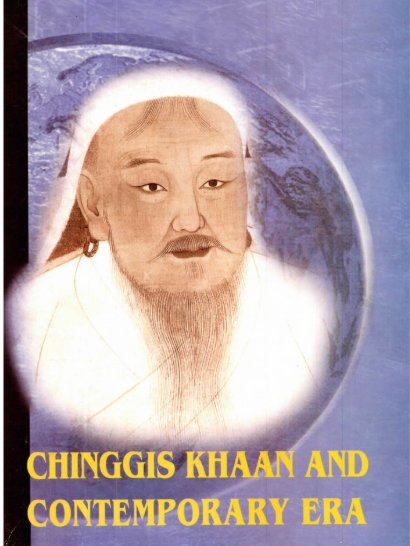
Chingis Khaan and Contemporary Era
© 2026 UNESCO-IISNC
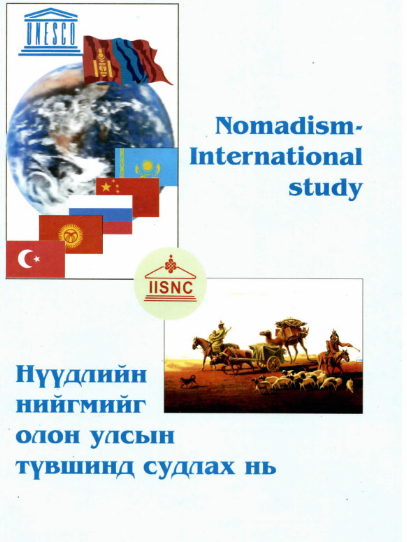
Nomadism: International Study
© 2026 UNESCO-IISNC
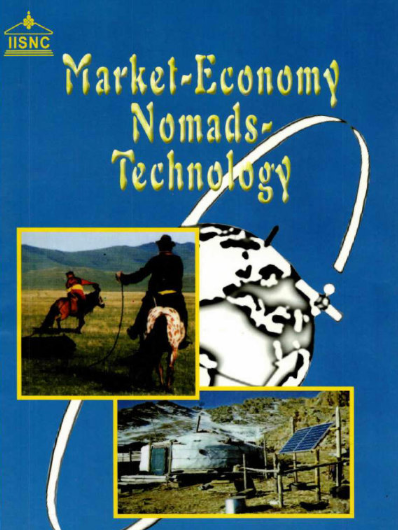
Market Economy, Nomads and Technology
© 2026 UNESCO-IISNC
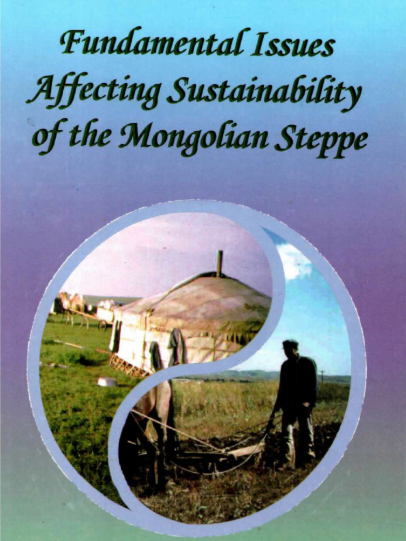
Fundamental Issues Affecting Sustainability of the Mongolian Steppe
© 2026 UNESCO-IISNC
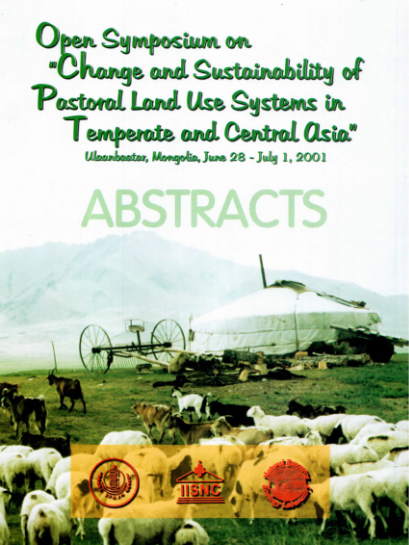
Change and Sustainability of Pastoral Land Use Systems in Temperate and Central Asia
© 2026 UNESCO-IISNC
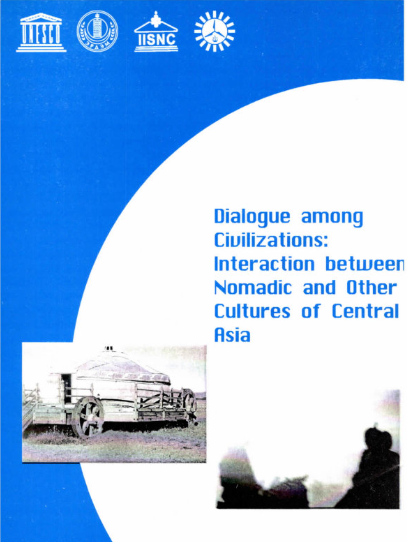
Dialogue among Civilizations; Interaction between Nomadic and Other Cultures of Central Asia
© 2026 UNESCO-IISNC
How Clean Is the Steppe? From Nomadic to Modern Ways of Utilising Various Types of Waste and Modern Technological Solutions
© 2026 UNESCO-IISNC
Nomads migrating to the outskirts of the capital in transitional Mongolia (Cyrillic Mongolian)
© 2026 UNESCO-IISNC
Sustainable Cashmere as DevelopmentIntroducing the Mongolian Meat Standard: What can Mongolia teach the world about meat production?Discourse in Mongolia
© 2026 UNESCO-IISNC
The first Mongolian Wedding in the United States: by Dilova Khutukhtu’s Formulae (Cyrillic Mongolian)
© 2026 UNESCO-IISNC
Pastoralism, Heritage, and the Politics of Scale
© 2026 UNESCO-IISNC
HISTORICAL EXPERIENCES AND CURRENT CHALLENGES IN THE STUDY AND TEACHING OF CULTURAL STUDIES IN MONGOLIA (Cyrillic Mongolian)
© 2026 UNESCO-IISNC
Kyrgyzstan as the Centre of the Nomad World: Tourism and the World Nomad Games
© 2026 UNESCO-IISNC
The wheel of history and minorities’ ‘self-sacrifice’ for the Chinese nation (Cyrillic Mongolian)
© 2026 UNESCO-IISNC
Don’t You Have to Nomadise to Be a Nomad? The Ambivalence and Misunderstandings of Kazakh Pastoral Nomadism
© 2026 UNESCO-IISNC
A Tale of a Mongolian Christian: Analyzing the Reasons Behind Religious Conversion Among Early 20th-Century Mongols
© 2026 UNESCO-IISNC
Nomadic Civilization and Military Innovation
© 2026 UNESCO-IISNC
Nomads migrating to the outskirts of the capital in transitional Mongolia
© 2026 UNESCO-IISNC
Aristocratic and Neoliberal Oligarchy Compared: Examining the Property Regimes of Mongolia’s Pre- and Post-Socialist Ruling Elites
© 2026 UNESCO-IISNC
Clarifying the golden kings of the Jin Dynasty mentioned in the “Secret History of Mongols”
© 2026 UNESCO-IISNC
Contact us
Contact us to explore opportunities, collaborate, or discover how you can engage with the inspiring world of nomadic cultures.
 using WordPress and