Programs & Projects
IISNC conducts multidisciplinary field research, international collaborations, and policy-oriented studies to preserve and advance the living heritage of nomadic civilizations worldwide.
International Partners
9
Active Research Projects
2
Provinces & Soums Covered
20+
2025
Youth & Livelihoods
IIISNC-UNESCO
Baseline Research Report on the Development of Young Herders in Mongolia
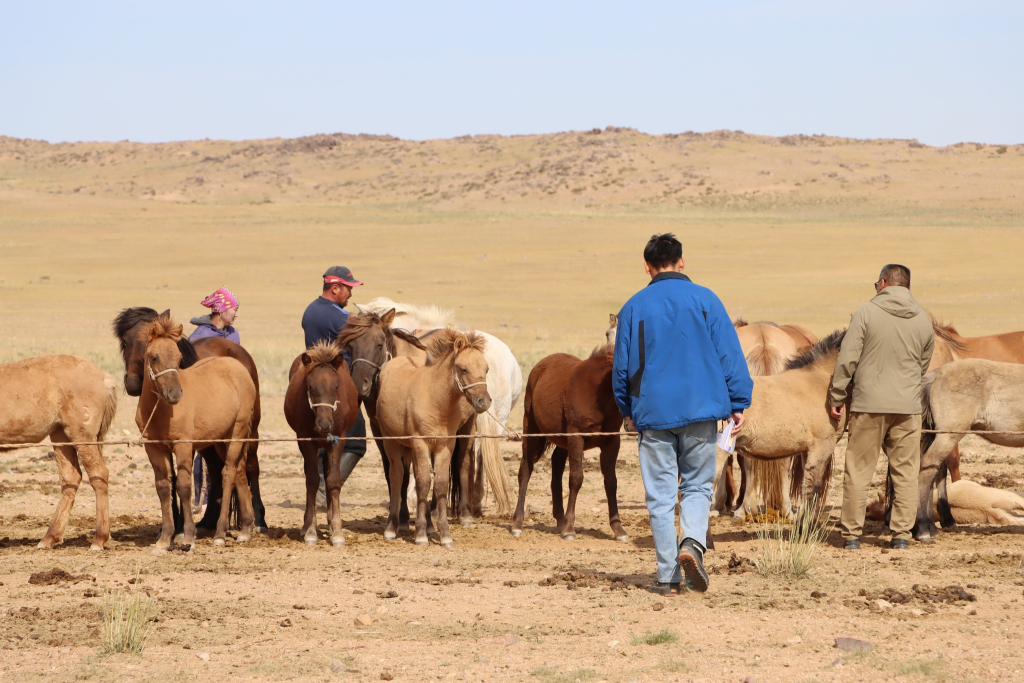
A comprehensive baseline study examining the structural challenges facing young herders (ages 15–34) in Mongolia’s pastoral livestock sector, comparing their conditions with those of older herders across multiple dimensions: livelihoods, social participation, access to government services, market engagement, pastureland conditions, and climate vulnerability.
Critical Findings
Young herders face compounding risks: financial instability, limited market access, weak policy awareness, inadequate social support, and growing climate pressures are collectively eroding their interest in rural herding life. Compared to older herders, young herders have significantly less knowledge of government policy, more difficulty accessing services, and weaker market participation — signaling a systemic threat to the continuity of Mongolia’s nomadic civilization. Climate change, dzud, and irregular precipitation are accelerating pastureland degradation and dismantling traditional seasonal migration patterns.
- Ages 15–34 focus group
- Multi-indicator analysis
- National policy implications
- Climate & livelihood lens
2024
Cultural Economy
IISNC-UNESCO · Comparative Case Studies: Kyrgyzstan, Kazakhstan, Turkey
International Experiences in Developing Culturally Distinctive Brand Production
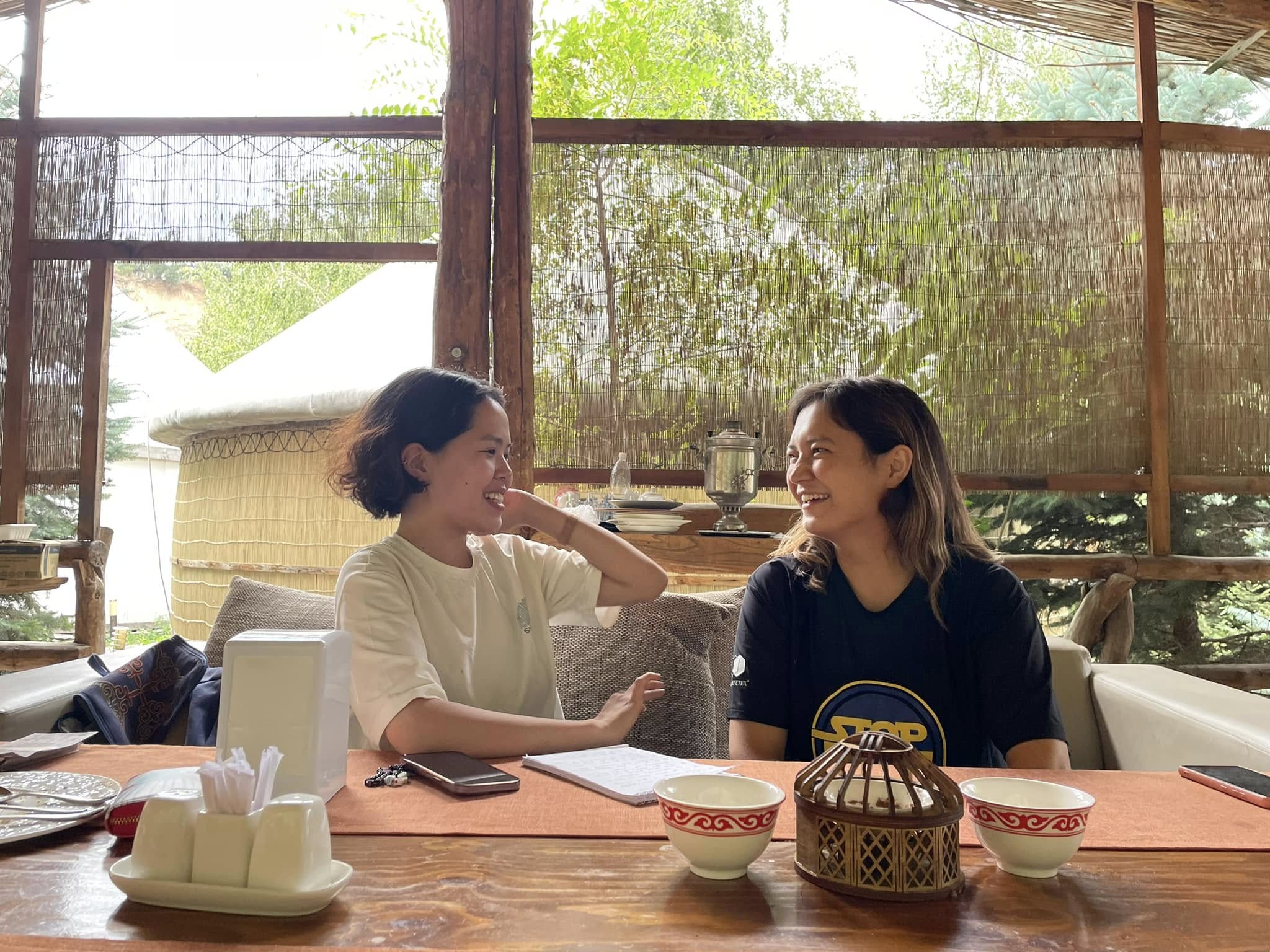
Using a multidisciplinary social science approach, this study analyzed how countries with nomadic and non-nomadic traditions have developed culturally rooted brand products for international markets. The research examined case studies from nomadic heritage nations including Kyrgyzstan, Kazakhstan, and Turkey. Data was gathered primarily through digital secondary sources, reflecting the evolving methodologies of contemporary social science research.
Policy Recommendation
When culturally rooted products become commercial brands, they risk losing their symbolic identity and original meaning. The study recommends that Mongolia approach the commodification of its cultural heritage with caution — while recognizing that cultural exports can serve as an effective soft power strategy that raises national prestige on the international stage.
- 3 countries analyzed
- Multidisciplinary methodology
- Policy-oriented findings
2023
Cultural Values
IISNC-UNESCO · Aligned with Mongolia’s Vision 2050
Foundational Research on Shared Cultural Values of Mongolian and Inner Asian Nomads
Spanning 20 soums across seven provinces — Arkhangai, Uvurkhangai, Bayankhongor, Zavkhan, Uvs, Bayan-Ulgii, and Govi-Altai — this anthropological study explored the value systems held by nomadic communities at the individual, family, and societal levels. The project aligns directly with Mongolia’s “Vision 2050” long-term development policy goals on national identity and cultural heritage.
Key Findings
At the community and household level, nomadic people placed greater emphasis on nomadic traditions and values such as diligence, mutual help, and respect for elders than on state-promoted values like language and history. These personal values were found to be organically shaped by nomadic culture itself — emerging from the demands of livestock herding, seasonal migration, pastureland management, and communal interdependence.
- 7 provinces · 20 soums
- 50 interviews
- Anthropological field methods
- Multi-indicator analysis
2023
Sustainable Industry
IISNC-UNESCO · University of Winnipeg, Canada · Social Sciences and Humanities Research Council
Nomadic culture and fair trade
Ethics in sustainable cashmere standards
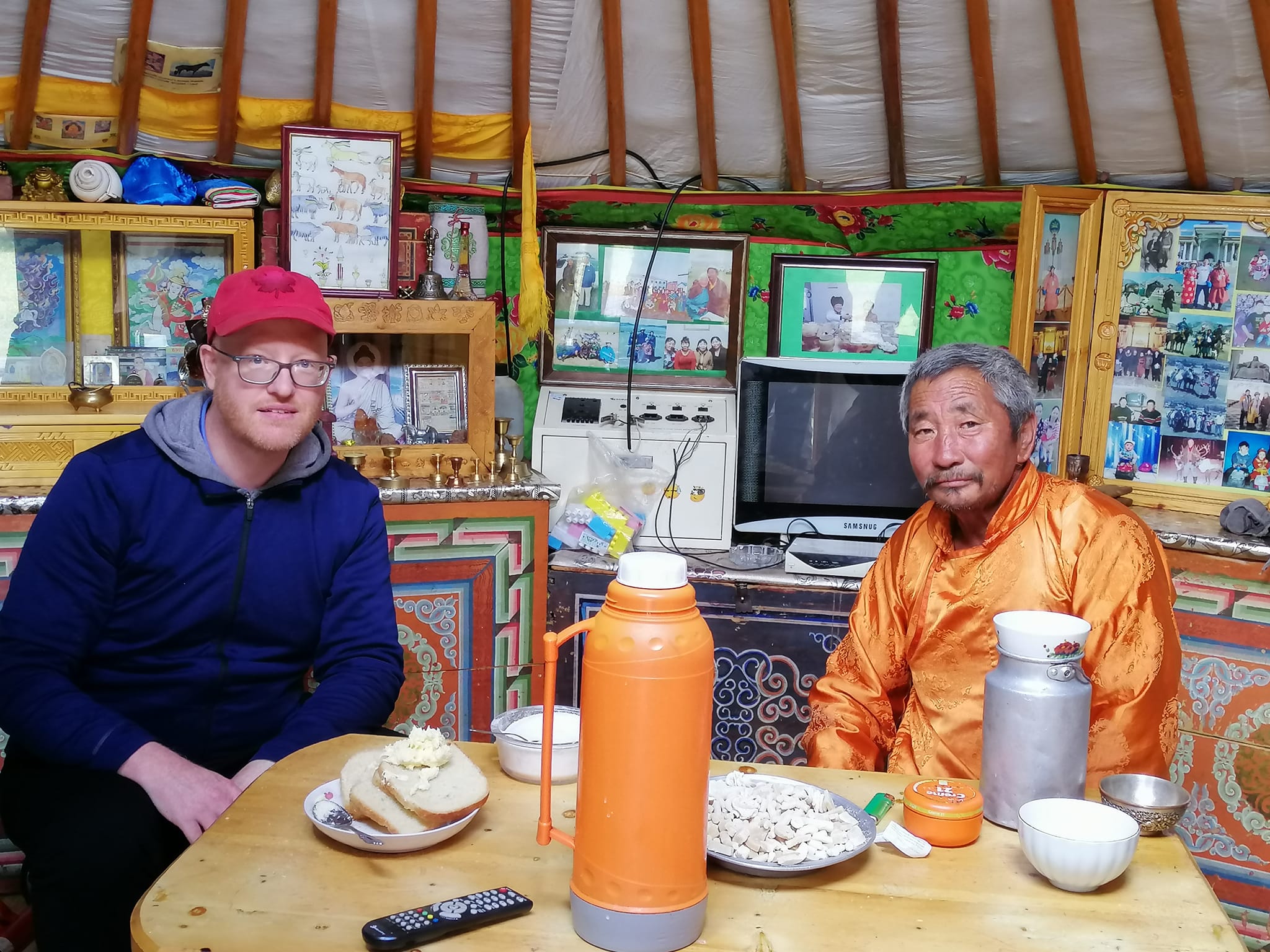
This collaborative project examined the ethical dimensions of Mongolia’s cashmere industry from raw material to finished product. Fieldwork was conducted April 10–25, 2023, in Tsenkherma ndal soum (Khentii Province) and Mungunmorit soum (Tuv Province), led by Dr. Ch. Munkhtul with team members Dr. B. Gerelt, M.A. S. Mijid, and B. Bumbayar.
Research Output
50 in-depth interviews were conducted across the cashmere supply chain, generating 2,250 minutes of audio material, 150 pages of transcripts, 100 pages of field notes, and extensive photo and video documentation — providing a comprehensive qualitative dataset on industry sustainability and livelihood impacts.
- 50 interviews
- 2,250 min. audio recorded
- 150 pages of transcriptsKhentii & Tuv provinces
- National policy implications
2022
Intangible Heritage
IISNC-UNESCO · National Center for Cultural Heritage
Detailed Research Report on Traditional Folk Medicine
Conducted January–July 2022 across 20 soums in 9 provinces, this project documented the living practices of 22 traditional medicine practitioners through audio and video recording. The research drew on records held by the National Center for Cultural Heritage and applied rigorous field documentation methodology.
Key Findings
Herbal medicine and massage therapy (baria zaslal) were identified as the most authentic and continuously practiced forms of Mongolian traditional medicine — both deeply rooted in nomadic ecological knowledge and the close human-animal relationship developed over millennia. The research provides a scientific foundation for the UNESCO inscription of these two practices.
- 9 provinces · 20 soums
- 22 practitioners documented
- UNESCO inscription groundwork
2022
Soundscape
Research
Purdue University (USA) · University of Colorado · Arizona State University · University of Texas · IISNC-UNESCO
Using Sound to Improve the Conceptual Framework for Enhancing Resilience of Pastoral-Nomadic Complex Systems
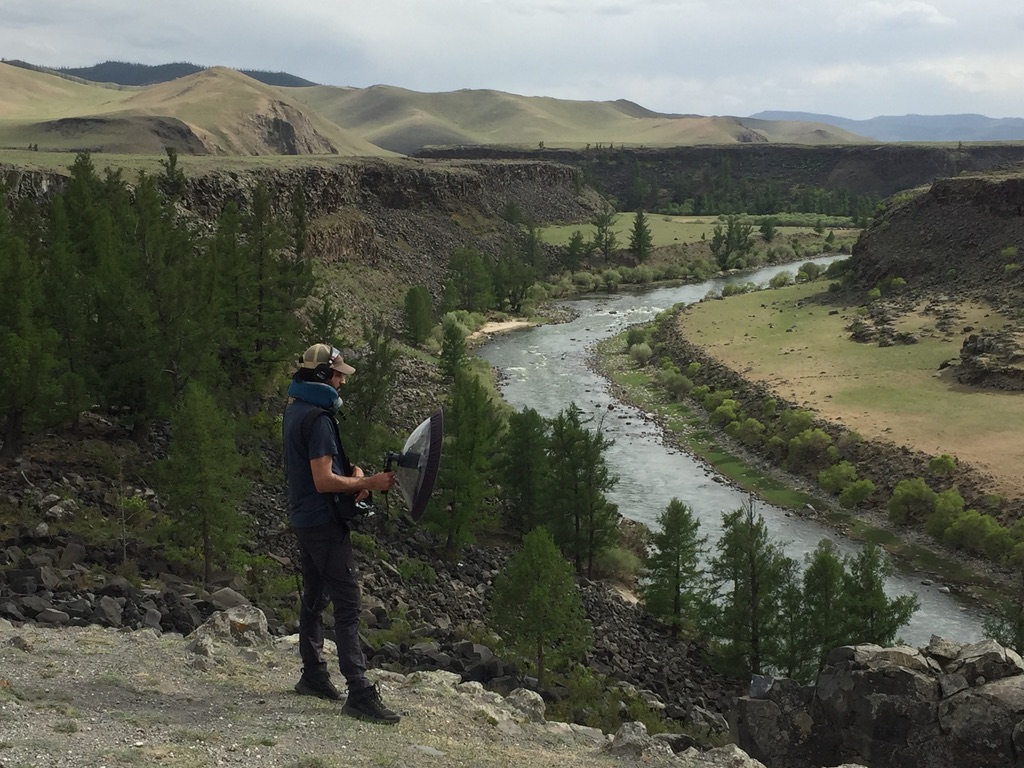
A joint research initiative between IISNC and Purdue University, led by Prof. Dr. Brian Pijanowski, this project investigated the connections between herders’ livelihoods, pastureland, and sonic environments in Arkhangai Province — specifically in Ikh Tamir, Undur-Ulaan soums, and Tsetserleg city. Mongolian researchers were led by Dr. I. Byambabatar of IISNC.
- Arkhangai Province field site
- Multi-university collaboration
- Soundscape & ethnography methods
Contact us
Contact us to explore opportunities, collaborate, or discover how you can engage with the inspiring world of nomadic cultures.